


KNX Energy Management
Smart building energy management with KNX replaces your monthly bill surprise with live metering, solar and EV-charging integration, and active load control — all sharing one open bus with lighting, climate, shading, and security.
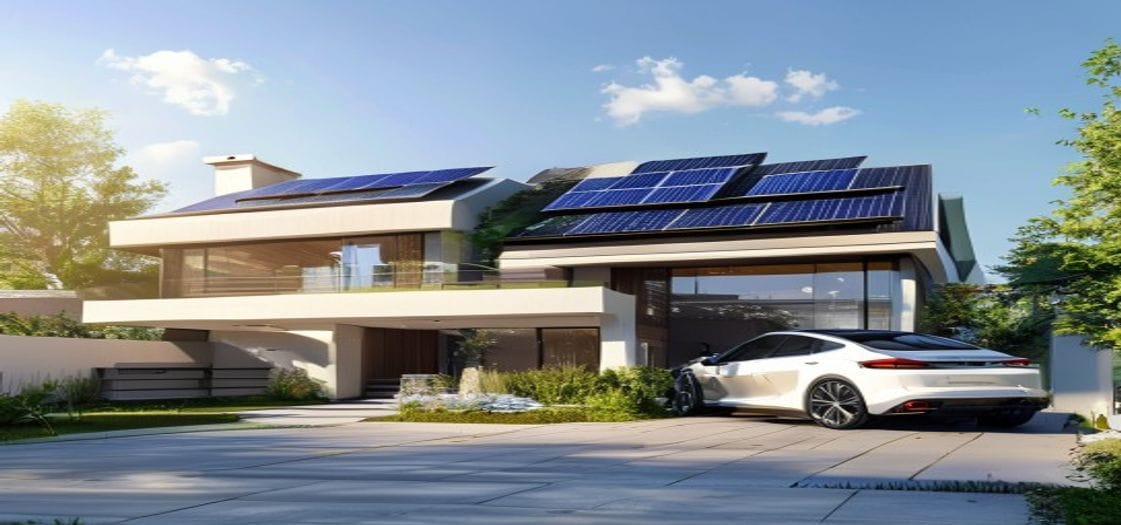
Most people meet their energy use once a month, as a number on a bill, long after they could have done anything about it. KNX energy management replaces that with something far more useful: a clear, honest picture of how much your building uses, where it actually goes, and how to use less without giving up any comfort. We design and commission these systems across Europe — metering and monitoring, solar and EV-charging integration, and active load management — all on the open KNX standard. Because the energy logic lives on the same bus as your lighting, climate, shading and security, every saving is coordinated instead of three systems quietly working against each other.
Below is what the system measures, what it does with that information, and how we hand it over working for owners and as a flexible platform for integrators.
You can’t cut what you can’t see
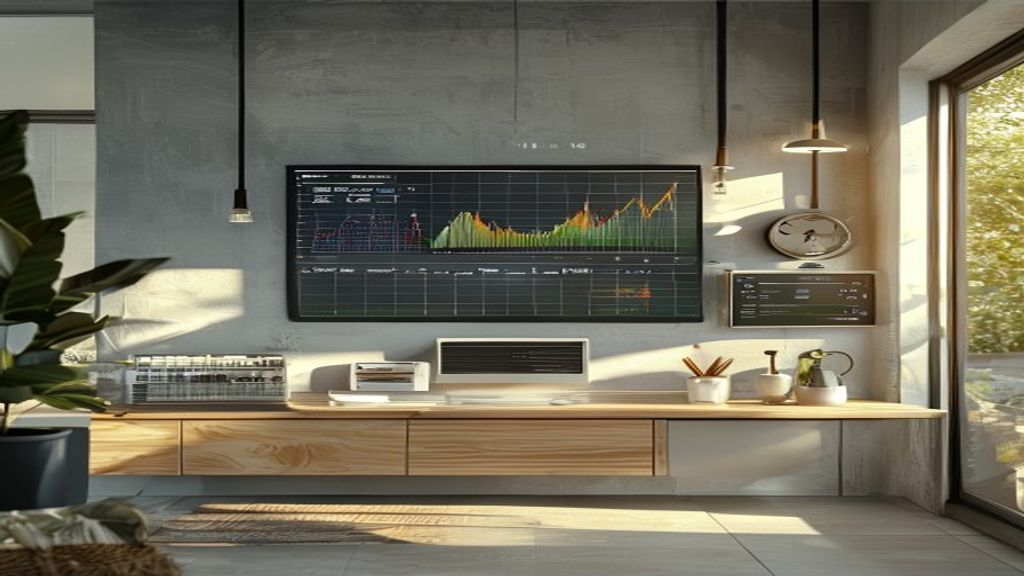
It starts with measurement. KNX meters and current-clamp sensors capture consumption at circuit, zone or whole-building level and stream it onto the bus continuously. We structure that so you can finally see the breakdown — what the lighting draws versus the HVAC, the kitchen, the pool, the EV charger — rather than one anonymous grid figure. That per-circuit visibility is the bedrock everything else stands on, and it flows straight into your dashboards as live readings and historical trends.
- Circuit-level detail, so you know where the energy really goes, not just the total.
- Live and historical views on touch panels and the mobile app.
- Solar self-consumption and grid import/export tracked clearly for PV homes.
Making your solar panels earn their keep
If you have a PV array, this is the layer that turns it from a nice gesture into a genuine return. By reading inverter data — production, feed-in, self-consumption — the system spots when you have surplus solar and steers it toward something useful instead of exporting it for a pittance. It can fire up the water heater, give the underfloor a boost, or push more current to the car precisely while the sun is making more than the house needs. More of your own energy used at home, a shorter payback on the panels.
Charging the car without tripping the house
An EV charger is often the single biggest load in a modern home, and left unmanaged it can knock out the main supply at the worst moment. KNX load management keeps a constant eye on total building demand and modulates the charging current so the main fuse never gets pushed past its limit, protecting the loads you actually care about. Pair it with solar and the car sips the surplus first, topping up from the grid only when it has to — ideally on a cheaper off-peak tariff. It is sophisticated control that an integrator can specify with confidence, and that we hand over already doing its job.
Spending energy when it’s cheap, not when it’s not
The system reacts to price as well as power. Give it tariff schedules or a dynamic price feed and it shifts the flexible loads — water heating, car charging, pool pump — into the cheaper windows and eases off during the expensive peaks. Where a site has capacity charges, peak-shaving logic staggers or sheds non-critical loads to keep demand under your contracted ceiling. None of it asks anything of the people in the building; the rules just run on the bus and show up as a smaller bill.
How data becomes savings you can point to
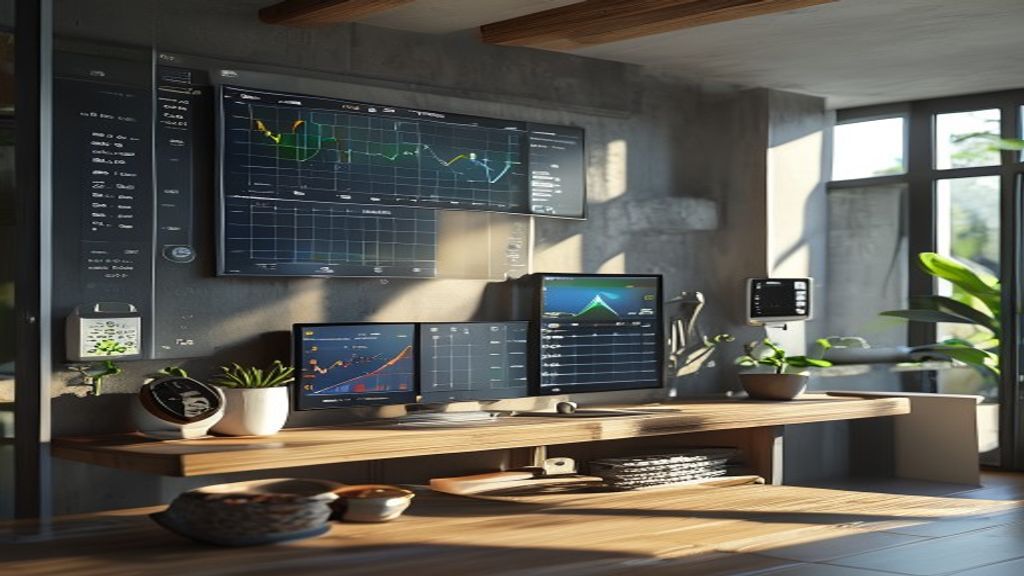
The savings come from three things stacking up: visibility that nudges behaviour, automation that strips out waste — empty rooms left unlit and unheated, courtesy of our integration services — and optimisation that reaches for cheaper and self-generated energy first. Since every subsystem reports onto one bus, we can show you a clean before-and-after, and keep tuning the rules over time through remote support without anyone driving to site.
How we deliver your energy project
- Design — metering plan, gateway selection for inverters and chargers, and your load priorities, built in ETS.
- Programming — monitoring, PV surplus logic, load management and tariff rules.
- Commissioning — meters, gateways and load control checked on site by our European teams.
- Handover — dashboards configured, documented and walked through, ready to use.
For owners and developers, it lands done — measured, tuned and explained. For integrators and MEP partners, you get the gateway experience, the templates and the catalogue range to specify metering, PV and EV load management without reinventing it on every job.
Curious what your building is really spending, and where? Ask us for a quote and we will scope it with you.
Common questions about KNX energy management
What does the system actually measure?

Consumption at circuit, zone or whole-building level, plus solar production, grid import and export, and EV charging. You end up with a true breakdown of where energy goes, shown both live and over time on your panels and the app.
Can it charge my car from solar surplus?
Yes. By reading your inverter and meter data, the system raises the charging current when there is surplus solar and limits it to protect the main supply, then optionally tops up from the grid during cheaper off-peak hours.
Will load management really stop my main fuse tripping?
That is one of its main jobs. It watches total demand in real time and trims flexible loads — typically the EV charger — so the building stays under its limit even when everything is running at once.





