


KNX for Offices & Commercial Buildings
Building automation powered by KNX treats every re-zone, expansion or tenancy change as a straightforward configuration task rather than a costly retrofit — keeping commercial floors productive and lettable across their full lifespan.
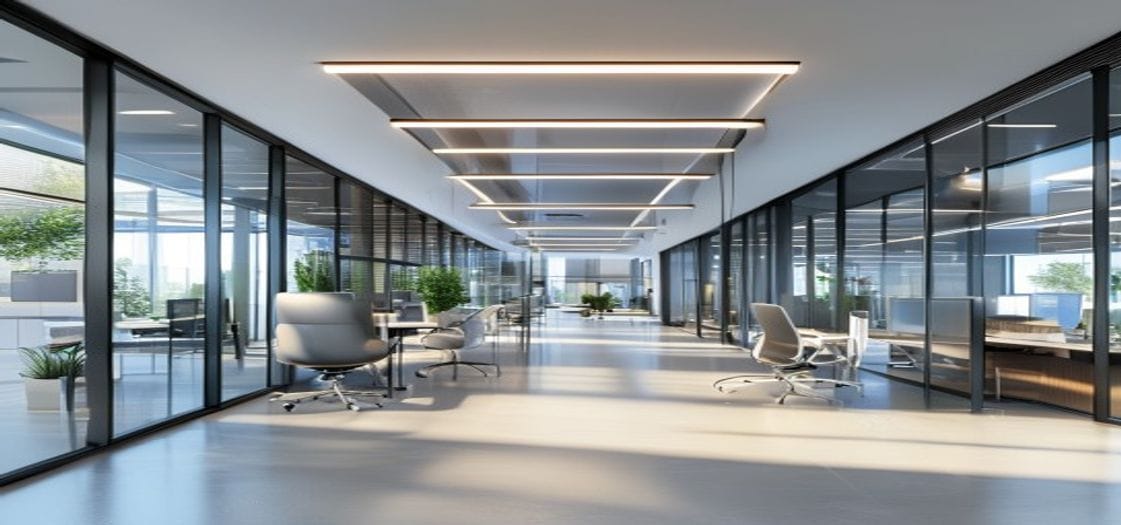
Commercial space never sits still. A tenant moves out, a floor gets re-partitioned, a department doubles and needs the wing next door. A closed control system fights every one of those changes; the open approach behind KNX for offices simply absorbs them. Because every device shares one protocol, re-zoning a floor or wiring in a new area becomes a configuration job rather than a demolition job — and that flexibility is a big part of what keeps a building efficient and lettable across its whole life.
We design, program and commission office and commercial projects with our own engineers, and we hand over a building your facilities team can actually run. KNX gives commercial building automation a single, open platform for lighting, HVAC, shading and energy — and it integrates cleanly with the BMS you already depend on, rather than asking you to throw it away.
Why facilities teams and consultants reach for it
For an MEP consultant or an FM, KNX is the low-risk, open choice: a huge catalogue of certified devices, real interoperability between manufacturers, and no single vendor holding your spares or support hostage. It’s the recognised commercial standard across Europe, and it already speaks the languages your plant uses.
- Genuinely open — no lock-in, and freedom to source from whoever you like.
- Reconfigurable in software — re-zone floors and partitions in the ETS file, not in conduit.
- Talks to your plant — bridges to Modbus and BACnet and exchanges data with the central BMS.
Lighting that pays for itself first
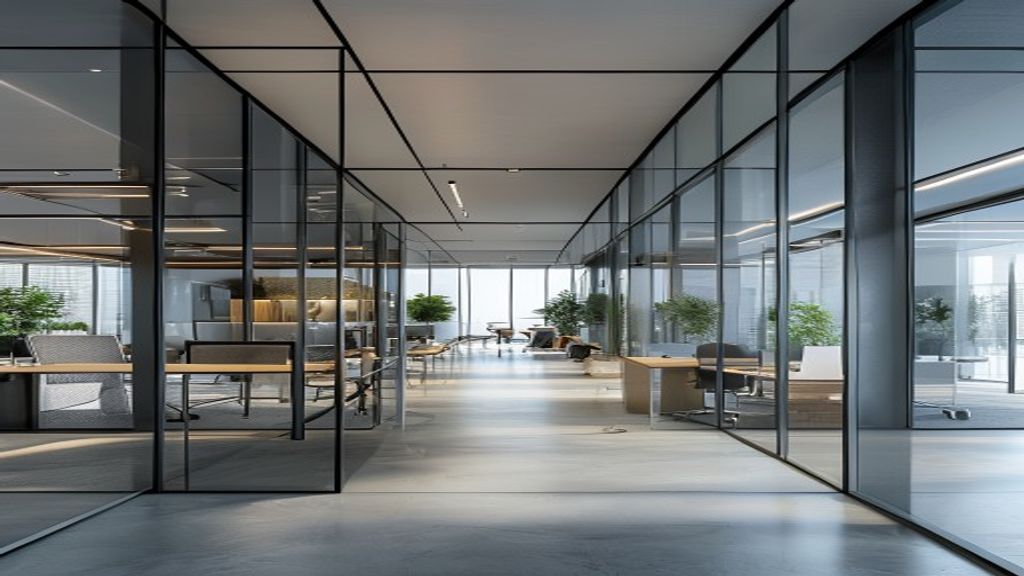
If you want a quick win, start with the lights. KNX pairs presence detection with daylight regulation, so luminaires dim to lean on whatever daylight is already coming through the glass and switch off entirely in empty zones. Open-plan areas, meeting rooms, corridors and washrooms each run their own logic, and you can fold emergency-lighting testing and reporting into the same system. Lower energy, longer lamp life, and compliance paperwork that more or less writes itself.
Conditioning that follows people, not the clock
Comfort and waste both live in the HVAC. KNX delivers climate control per zone, tied to presence, schedule and CO₂ or temperature sensors, so conditioned air goes where people actually are instead of running flat out over an empty floor. Heating, cooling, fan coils and ventilation balance room by room, window contacts pull conditioning back from open spaces, and out-of-hours setback just happens. The operator gets steady comfort through the working day and real savings overnight and at weekends.
One dashboard for the whole building
A commercial building almost never runs on a single protocol — and it doesn’t have to. KNX bridges to the Modbus and BACnet plant — chillers, AHUs, meters, generators — and exchanges data with the central BMS, so the whole site reports into one place. Energy metering, fault alarms and zone status are visible from a single screen, which gives the facilities team the data to chase efficiency and the operator the evidence for energy and ESG reporting.
Leaner panels on every floor plate
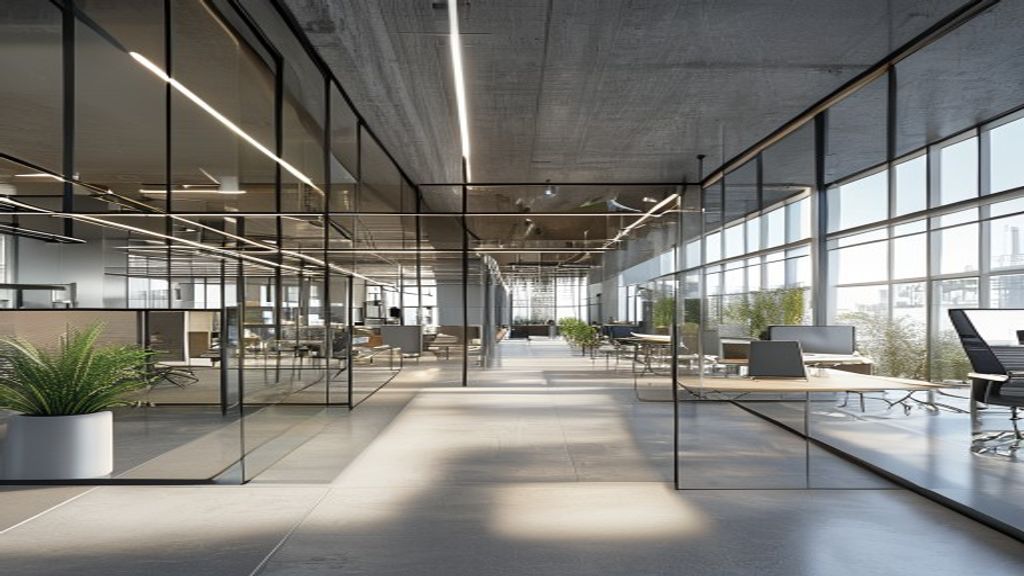
Spread across several storeys, the size of your distribution boards stops being a detail and becomes a real cost. Integrated-relay actuators fold switching and control into one device, cutting the module count and the panel footprint on each floor. That means smaller risers and electrical rooms, lower hardware cost and quicker installation — and on a multi-storey fit-out those savings stack up floor by floor.
From design to a handover you can run
- Design and consultancy — zoning, control strategy, integration plan: smart home consultancy.
- ETS programming — full configuration with reusable floor templates: KNX design and ETS programming.
- On-site commissioning — our own engineers, across Europe: KNX commissioning.
- Ongoing support — remote support and maintenance for the operational building.
Consultants, contractors and developers: when the brief is ready, request a quote or browse the full range of KNX integration services.
Frequently asked questions
Will KNX work with the BMS we already have?
Yes. It bridges to BACnet and Modbus and exchanges data with the central BMS, so lighting, HVAC, shading and metering all report into one platform instead of sitting in separate silos.
How much can presence and daylight control save on lighting?
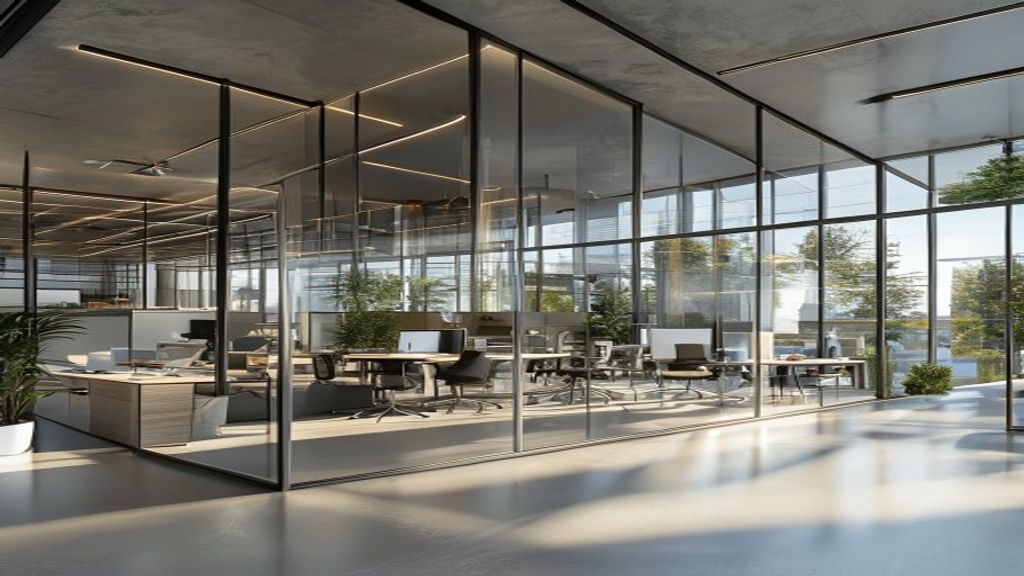
Pairing occupancy detection with daylight regulation usually delivers a substantial cut, because luminaires only run where and when they’re needed and dim to use the daylight that’s already there. We model the expected figure for your floor plates during design.
Can a floor be re-zoned when a tenant changes?
Yes. Because the zoning lives in the ETS configuration rather than in fixed wiring, re-partitioning a floor is largely a software change — far less disruptive and far cheaper than rewiring.
Request a quote for your building and we’ll scope the control strategy with your team.





